Cart
0
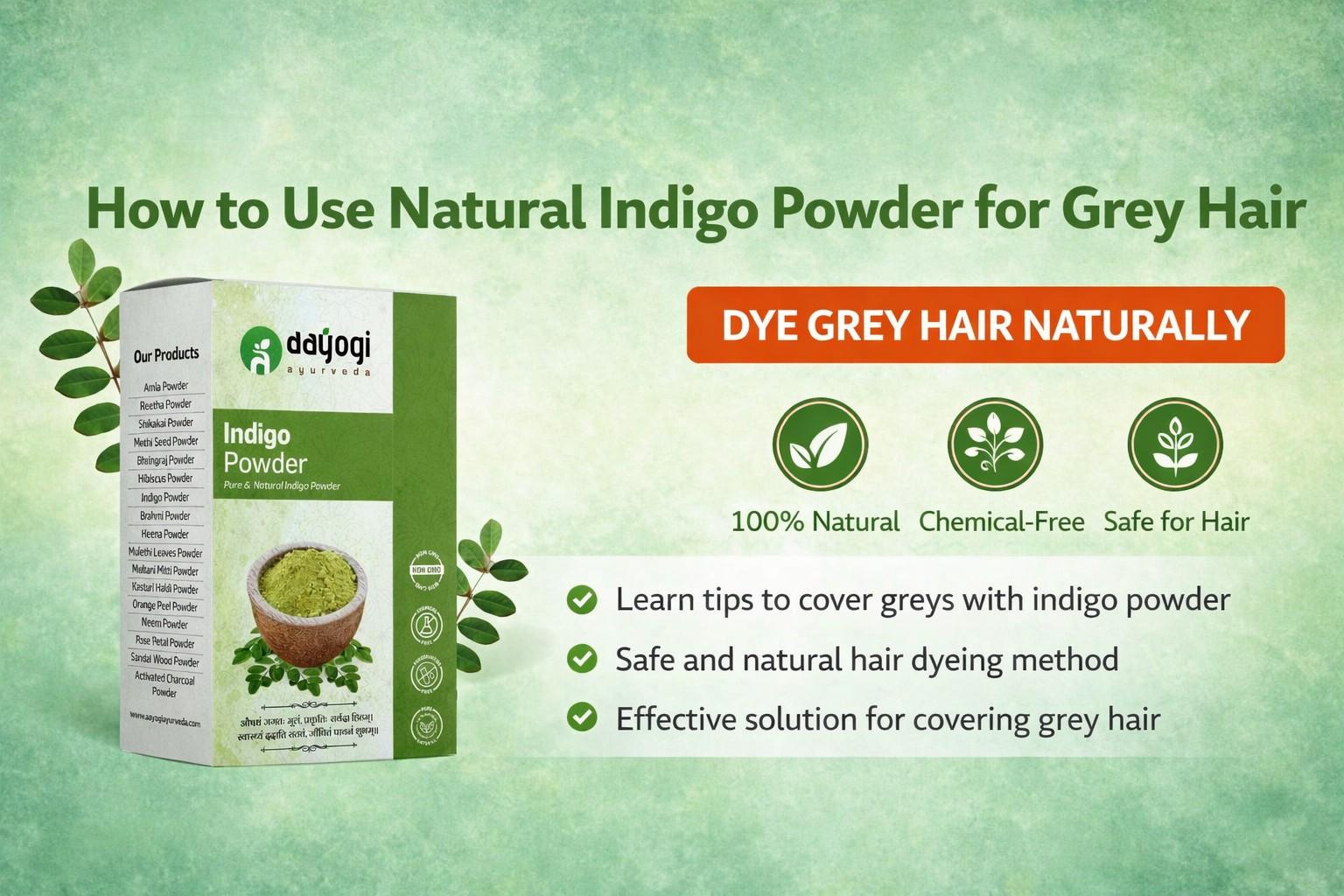
Many individuals worry about their grey hair and are turning away from traditional chemical dyes towards home made alternatives made from nature. Some of the better know options available to use on your grey hair are the use of Natural Indigo Powder, which will give rich dark (blue) colour while maintaining health of your hair.
This guide will show you how to cover your grey hair with Indigo at home as easily as possible so you can still have the beauty of your youth with no side effects.
What is Indigo Powder?
Indigo powder is produced from the leaves of the indigo plant, and has been utilized for many years as part of traditional hair care systems. Also known as Indigo Leaves Black Powder, it is frequently used to naturally color hair.
According to Ayurveda, this gentle Ayurvedic Indigo Powder For Hair is highly regarded for its supportive properties for the health of all aspects of the hair, and has the potential to improve hair care through natural coloring.
Why Use Indigo Powder for Grey Hair?
With continued use of herb-based products, a difference in the appearance of hair will be made from the use of indigo powder which gives your hair both a shade and added quality/texture and strength.
The following are benefits of using indigo powder:
- Produces a highlight-free dark brown shade (or natural looking black).
- Will thoroughly cover all grey hairs.
- Is very gentle on the scalp compared to dye.
- Will provide smoother and shinier hair.
- Can be used on a regular basis as part of an all-natural hair care regimen.
How to Use Natural Indigo Powder (Step-by-Step)
Indigo powder can also produce a deeper and longer lasting colour when used in combination with henna as the base colour.
To dye hair with indigo, you will first need to dye it with henna.
Step 1: Henna (Base Colour)
1. Mix henna powder and water together
2. Oleate clean hair
3. Allow the henna to remain on the hair for 1 to 2 hrs.
4. Rinse hair with WATER ONLY (do not use shampoo)
Step 2: Indigo Powder
1. Mix Natural Indigo Powder with warm water to create a paste.
2. Apply to hair and cover all areas even.
3. Allow Indigo Powder to remain on hair for 1 to 2 hrs. (1 for light; 2 for dark)
4. Rinse hair thoroughly with water.
👉 After you have completed the drying process of your hair, it will continue darkening for 24 to 48 hrs.
Tips for Better Results
To achieve the best possible results with this product, it is essential to have consistency and correct application.
1. Start with clean hair that is free of any oil.
2. Always use fresh paste to produce better colour results.
3. Do not shampoo your hair for 24 hours after using the product.
4. Use the product frequently to get long-lasting results.
5. Be sure to perform a patch test prior to your first use.
Common Mistakes to Avoid
Many people's lack of success is due to a common set of mistakes that could otherwise yield different outcomes.
- Not starting with a base (noticeable lighter color);
- Leaving paste on too long or too short;
- Failing to apply uniformly;
- Believing in instant jet black results;
Why Choose Herbal Hair Coloring?
The utilization of herbal products such as indigo powder contributes to an extended amount of healthy hair without exposing it to harsh chemicals.
- No synthetic dyes or ammonia
- Gentler for both the scalp and hair
- Acts naturally as time passes
- Promotes the appearance of healthy hair texture
Final Thoughts
If you’re searching for a naturally-based option to cover grey hairs, try using Natural Indigo Powder. Using this herb in your routine can provide you with darker, healthier-looking hair without causing damage.
Using this method to achieve your desired look will also help you to create a more natural and balanced hair care regimen as you use herbal-based options like Indigo Leaves Black Powder.